Sewage Backing Up at 2 AM: A Step-by-Step Checklist for Costa Mesa Homes
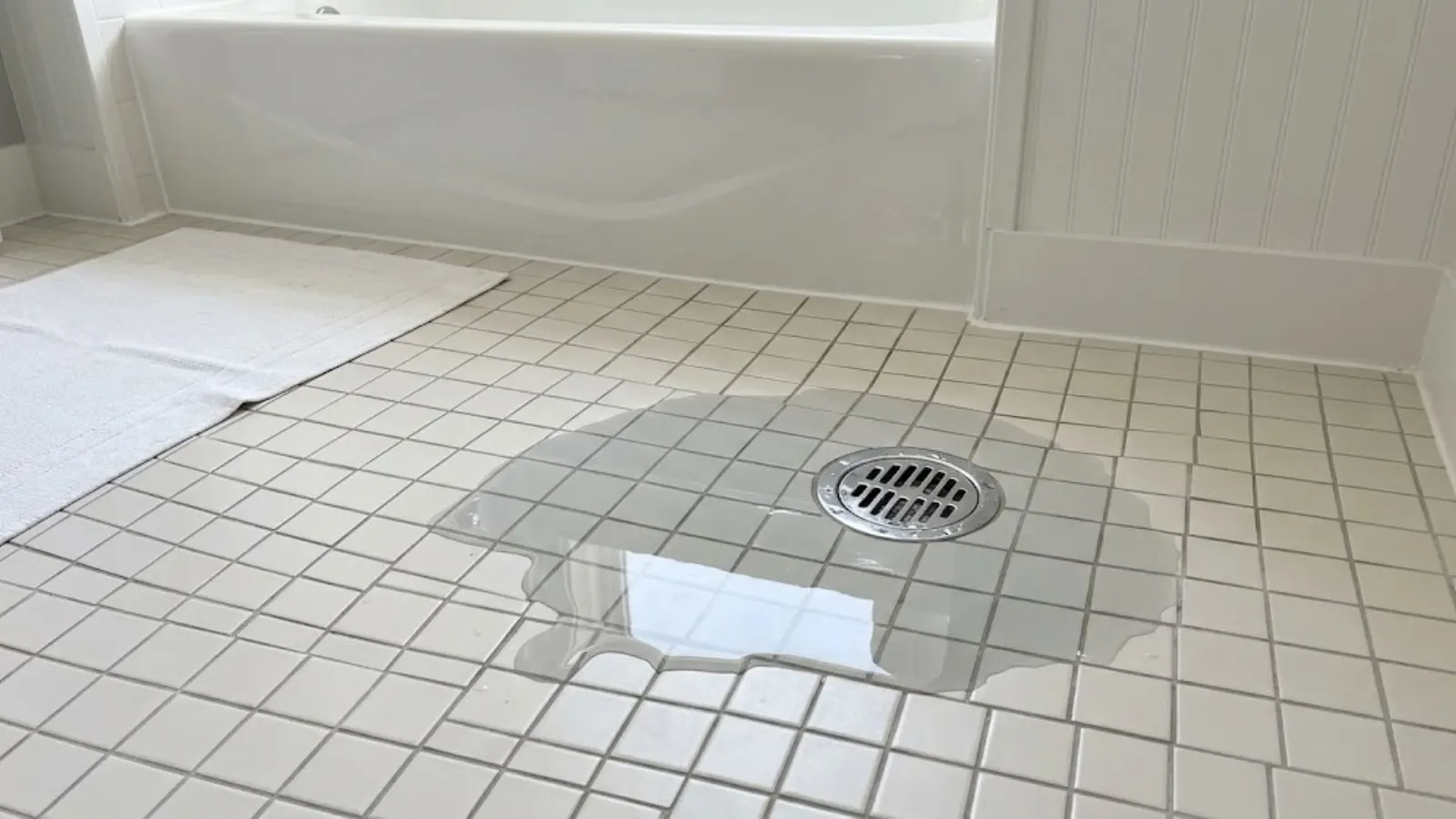
If sewage is coming up a drain in your Costa Mesa home, stop using every fixture right away, keep people and pets away from the water, and then work out whether the blockage is in your own sewer lateral or in the public main. If only your home is affected, the problem is almost always in your lateral, and you need a plumber. If several homes on the street are backing up, call the Costa Mesa Sanitary District as well.
Here is the full checklist, in the order that matters. In Garden Grove, an overflow that leaves your property can also trigger a required inspection.
The first ten minutes
- Stop all water use. No flushing, showers, dishwasher or washing machine. Every gallon adds to the backup.
- Protect people. Keep children and pets away. Sewage carries bacteria.
- Ventilate. Open windows if it is safe and the weather allows.
- Power off near water. Switch off breakers for wet areas if the panel is dry and safe to reach.
- Open the cleanout if you can. Loosening the outdoor cleanout cap lets sewage spill outside instead of inside.
Use gloves and boots if you must go near the water. Do not use a household vacuum on sewage.
Yours or the district's?
This decides who you call and who pays.
| What you notice | Likely location | Call |
|---|---|---|
| Only your home is backing up. | Your lateral. | A plumber. |
| The lowest drain, often a shower or tub, fills first. | Main line from the house. | A plumber. |
| Several homes on the street back up. | The public sewer main. | The sanitary district. |
| Sewage overflowing from a manhole in the street. | The public main. | The sanitary district. |
In Costa Mesa, the owner is responsible for the lateral all the way to the district main, including the connection. The district is responsible for the main itself.
Why it happens, especially at night
Backups often show up after a burst of use: evening showers, a dishwasher and a load of laundry all draining into a line that is already partly blocked. The clog may have been building for weeks, and one last load tips it over.
The usual causes are roots at old clay joints, grease from the kitchen, and wipes or paper towels. In older Costa Mesa homes, a sagging section of lateral can also collect waste until it closes.
What the plumber does
The first goal is flow. A plumber clears the line from the ground-level cleanout if there is one, or through a toilet flange or roof vent if not, using a cable machine sized for the main line. Once the house drains, a camera run shows what caused the clog and whether it will come back.
The clearing is covered on our emergency drain cleaning page. If the camera shows broken or root-filled pipe, repairing that section is the lasting fix.
Chemical drain openers are not the answer for a main line backup. They rarely reach the clog and make the job more dangerous for whoever opens the line.
If you have no outdoor cleanout
Many older homes lack a ground-level cleanout, which makes a backup harder to relieve and slower to clear. Without one, a plumber usually pulls a toilet to reach the main line, or goes in through a roof vent. Both work, but they take longer and cost more than a cleanout.
If that describes your home, add a cleanout once the emergency is over. It gives you a way to let a future backup spill outside, and it gives the next plumber a straight shot at the line.
What not to do during a backup
| Mistake | Why it makes things worse |
|---|---|
| Flushing to see if it clears. | Adds more waste to a line with nowhere to go. |
| Pouring chemical drain cleaner in. | Rarely reaches a main clog and burns whoever opens the line. |
| Running the washer or dishwasher. | Large volumes push sewage into the lowest drains. |
| Using a household vacuum. | Spreads contamination and ruins the vacuum. |
| Waiting until morning if it is rising. | Damage and cleanup grow with every hour. |
Cleaning up safely
Sewage is the dirtiest category of water damage. The industry's IICRC S500 standard treats it as Category 3, which means porous materials it soaked, such as carpet, pad and the bottom of drywall, are usually removed rather than dried in place.
Small spills on hard floors can be cleaned carefully with gloves, boots and a disinfectant. Anything larger, or anything that reached carpet or walls, is a job for a restoration crew. Our water damage restoration page lists a separate line for that work.
For your insurer
- Photograph and video the backup and damage before cleanup.
- Keep the plumber's invoice and any camera footage.
- Note the date and time the backup started.
- Call your insurer early. Many policies exclude sewer backups without a specific endorsement.
Preventing the next one
Once the line is clear, three steps cut the odds of a repeat. Fix what the camera found, whether roots at a joint or a sag. Add a ground-level cleanout if the home lacks one, since the Costa Mesa Sanitary District offers a rebate toward installing one. And keep grease, wipes and paper towels out of the drains.
Homes with frequent backups can also ask about a backwater valve, which lets wastewater out but helps stop it flowing back in. Whether one fits depends on the home's layout, and it needs a permit.
Sewage backup questions
The shower or tub is usually the lowest drain, so it fills first when the main line is blocked. Stop all water use and call.
The Costa Mesa Sanitary District, since the public main may be blocked. If only your home is affected, call a plumber.
Small spills on hard floors, with gloves, boots and disinfectant. Anything reaching carpet or walls needs professional cleanup.
Often only with a sewer backup endorsement. Check your policy and photograph the damage.
Yes. The line is answered 24/7, and clearing the main line comes first.
Often an hour or two with a cleanout. Without one, access through a toilet or roof vent can add time. The camera run afterward adds a little more.
If the cause was a one-time clog, maybe not. If the camera shows roots, a sag or broken pipe, it usually will until that section is repaired.
Tell your landlord or property manager right away. Lateral clearing and repairs are normally the owner's responsibility, and we can bill the owner directly.
Sources
- Costa Mesa Sanitary District, homeowner sewer responsibilities.
- Costa Mesa Sanitary District, Sewer Inspection Rebate Program.
General information only. For your home, a plumber on site has the final word.