Emergency Water Mitigation in Costa Mesa, CA
Water mitigation is the emergency first stage after a leak: getting water out and stopping it from spreading before permanent damage sets in. Restoration, the rebuild, comes later. In Costa Mesa, CA, the goal in the first day is simple: extract, dry, and document.
Mitigation versus restoration
Mitigation is about damage that has not happened yet. Water keeps wicking into drywall, spreading under flooring and soaking cabinet bases for hours after the leak stops. Fast extraction and drying limit how much of the home ends up in the rebuild.
Full water damage restoration is the broader job that includes repairing and rebuilding what mitigation could not save. Many insurers treat the two as separate phases on a claim.
What happens on a mitigation visit
- Safety check. Power, gas and water sources are checked before work starts.
- Moisture mapping. Meters and thermal imaging show where water has traveled.
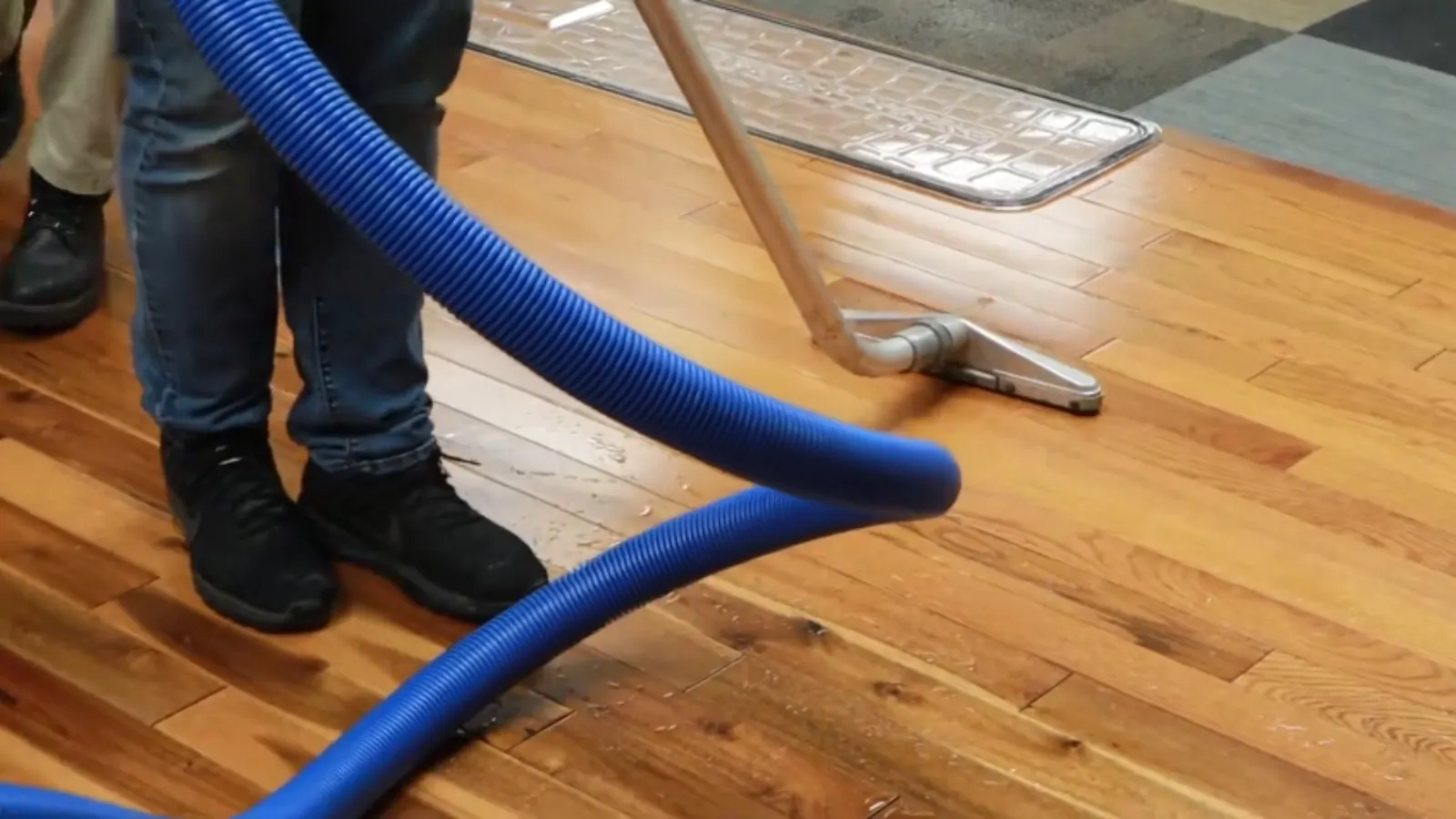
- Extraction. Truck-mounted or portable extractors pull water from carpet and floors.
- Controlled removal. Soaked baseboards, pad or the bottom of drywall are removed where needed.
- Drying setup. Air movers and dehumidifiers are placed to match the readings.
The process follows the IICRC S500 standard for water damage work. Drying is checked every day and equipment stays until materials test dry.
What to do while you wait
- Stop the water source. For a plumbing leak, close the house shutoff.
- Lift furniture off wet carpet with blocks or foil under the legs.
- Open windows if the weather is dry, unless the water came from sewage.
- Do not use a household vacuum on standing water.
- Photograph everything before it is moved.
What gets dried in place and what gets removed
Decisions depend on the material, the water category and how long it has been wet.
| Material | Clean water, caught early | Sewage or long exposure |
|---|---|---|
| Carpet | Often dried in place. | Removed. |
| Carpet pad | Often replaced. | Removed. |
| Drywall | Often dried in place. | Bottom section removed. |
| Hardwood | Dried with specialty mats where possible. | Often removed. |
| Cabinet bases | Dried by opening toe kicks. | Often removed. |
Slab homes and water under flooring
Most single-story Costa Mesa homes sit on concrete slabs. When water runs under laminate, vinyl plank or engineered wood on a slab, it has nowhere to drain and can stay trapped under the flooring for days.
Moisture meters and thermal imaging show how far it spread. Sometimes a few rows of flooring are lifted to dry the slab, and sometimes the whole floor has to come up. The readings decide, not guesswork.
Raised wood floors dry differently. Water can drip into the crawl space and sit on the soil, so the space under the house gets checked and dried as well.
Documenting the loss for insurance
Good records make a claim easier. Take photos and video of every wet area before anything is moved, including ceilings, baseboards and the source of the leak.
Keep the moisture readings from each drying visit, the list of materials removed, and every invoice. If flooring or cabinets are removed, photograph them before they leave the house.
The U.S. Environmental Protection Agency advises drying wet areas within 24 to 48 hours to prevent mold growth. A quick start helps both the house and the claim.
What water mitigation costs
| Factor | Why it matters |
|---|---|
| Area affected | Square footage and number of rooms set the equipment count. |
| Water category | Gray and sewage water need more removal and cleaning. |
| Equipment days | Drying equipment is billed by day until readings are normal. |
| Materials removed | Removing pad, baseboards or drywall adds labor and disposal. |
Insurance note: call your insurer as soon as the water is stopped. Most policies expect you to take reasonable steps to limit damage, and mitigation is that step.
Want your real number? Call (833) 521-1033 and describe the job.
After the drying is done
Across Costa Mesa, from the Eastside and Westside ranch homes to the Mesa Verde tracts and South Coast Metro condos, the drying plan depends on the floor type, slab or raised wood. The same applies to the 1960s tracts of nearby Fountain Valley.
Once materials test dry, the rebuild can be planned. The plumbing that caused the loss still needs repair. See fixing the burst line or, for a leak you cannot find, finding and fixing a slab leak.
The first 24 hours decide how much gets torn out.
Call (833) 521-1033Water mitigation questions
As soon as possible. Materials keep absorbing water after the leak stops, and damage grows the longer they stay wet.
Usually not for a clean water loss in part of the house. Sewage losses or large areas may make it more comfortable to stay elsewhere.
Commonly three to five days, until moisture readings reach normal levels.
Yes, 24/7, including weekends and holidays.
Yes. Moisture readings and photos can be shared with the owner and the insurance adjuster.
Yes, safely. Stop the source, move belongings out of the water, and open windows if the water was clean. Leave sewage and anything behind walls to a crew with moisture meters.